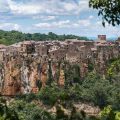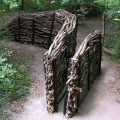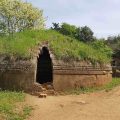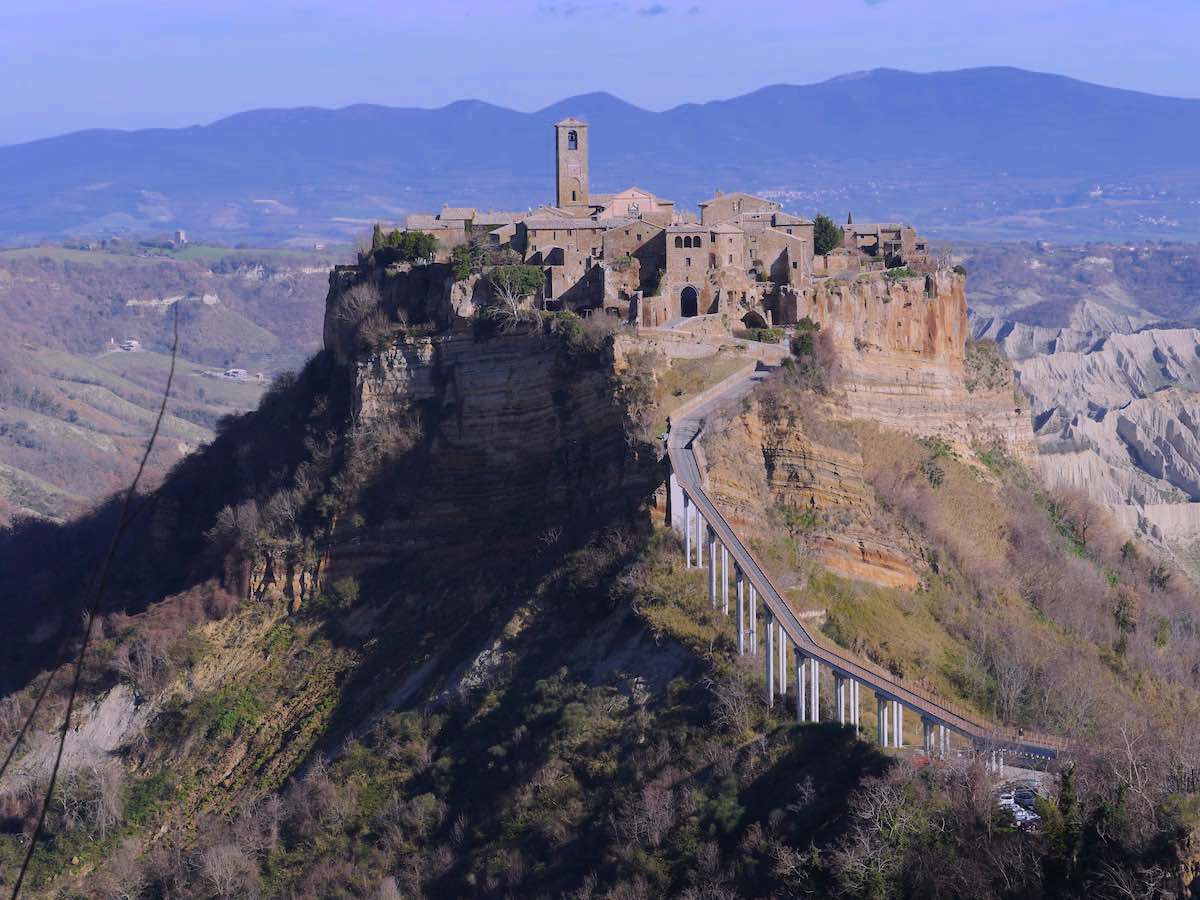
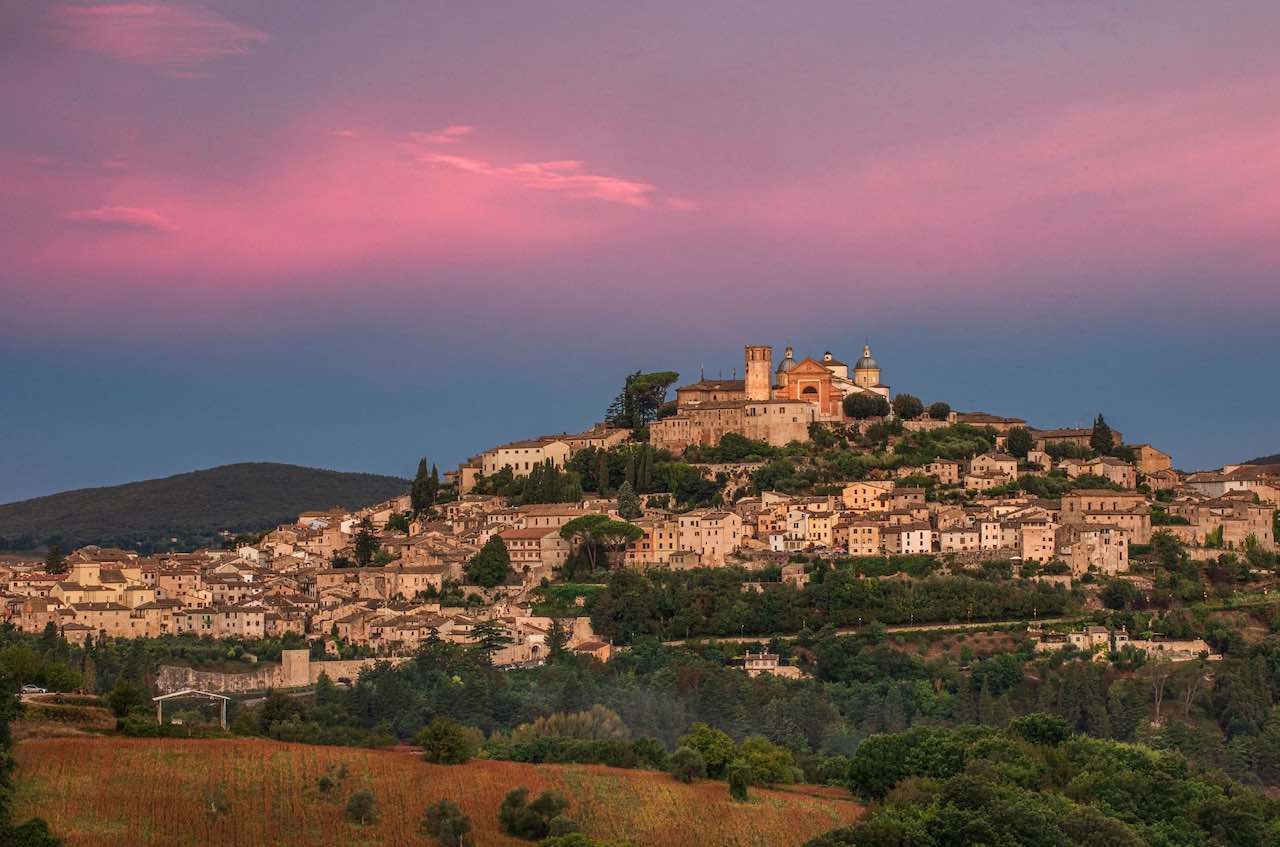
Amelia, a charming town in central Italy located in southern Umbria 8 km from the border with Lazio, has ancient origins and has all those features that make it the perfect place to relax for a weekend or for a few days, less than 100 km away from the noisy Rome. In this article, you will discover how to visit this hill town in Umbria, what are the places worth visiting and restaurants to try in Amelia, Italy. I will also give you some advice on where to stay overnight: Amelia can be visited on a day trip from Rome, but it is so pretty that I recommend you to spend at least two days.
For seekers of villages and small towns in Italy off the beaten path and secret to tourists, visiting the Umbria region is a much more satisfying choice than nearby Tuscany.
Umbria’s hilltop villages are a favorite destination for those who want to retreat to Italy and be surrounded by history, authentic food, and heart-warming landscapes, as research by a popular magazine targeting expats shows.
Amelia is one of the most ancient towns in Italy
Tradition says that Amelia is a place of very ancient origins, rivaling even Sutri and Saturnia, also located in central Italy. The historical center, which is the oldest part of Amelia, stands on a hill overlooking the surrounding landscape and is located near the river Rio Grande, a tributary of the Tiber, which runs through Rome.
A legend says that the name of the city comes from the mythical king Ameroe, son of Atlas, who laid the foundations in 1134 BC. Another legend has it that the name derives from Merope, wife of the king of the Umbrians, who having been expelled from her kingdom, there sought a new “home” and founded the city of Amar (which in Arabic means home).
Before the Roman conquest of 338 BC. in Amelia reigned also the Umbrians and the Etruscans. Amelia is one of the stages of the Roman consular-military way “Amerina“, that connects ancient Veio to Assisi, passing through some key centers of the Etruscan people, that was conquered and assimilated by the Romans between the 4th and 3rd century BC.
HOW TO REACH AND WHERE TO PARK IN AMELIA, ITALY
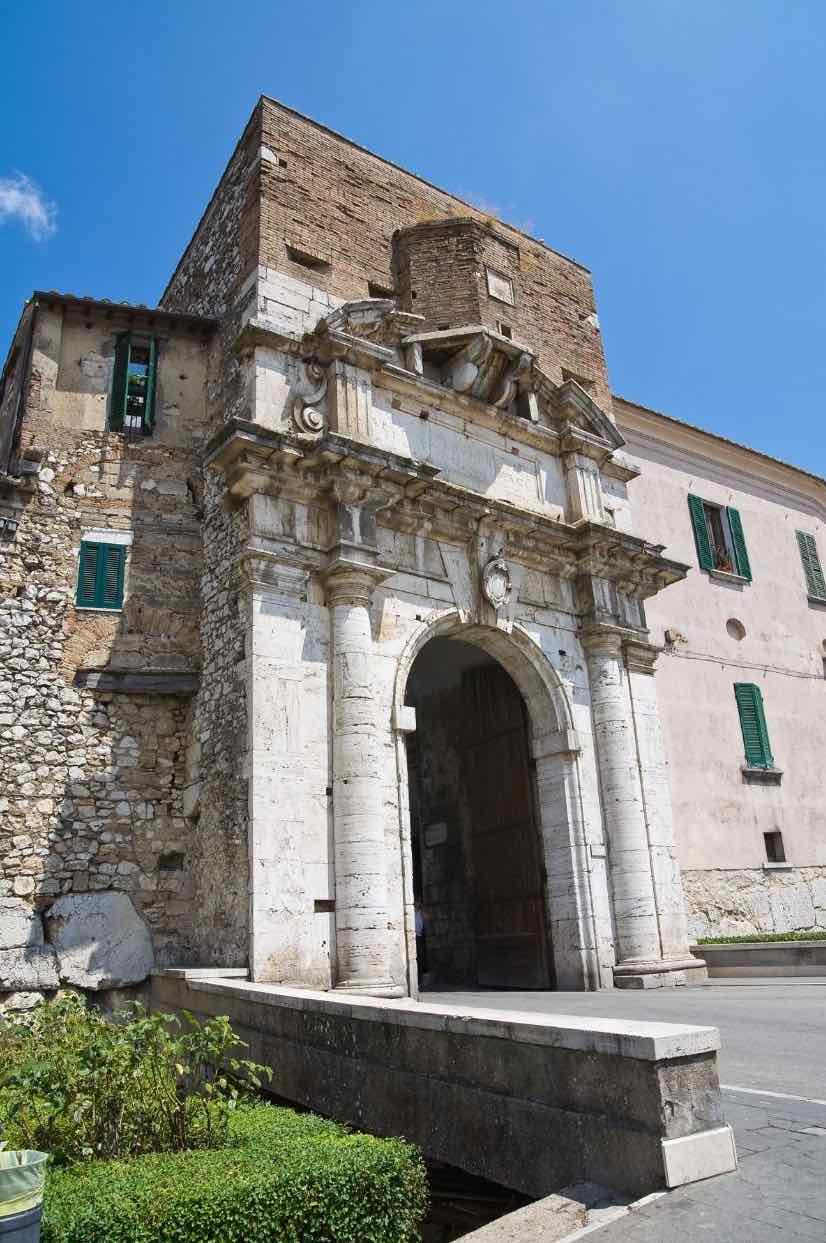
If you travel in your own car, leave it in one of the parking lots adjacent to the historic center and continue on foot. I suggest the Parcheggio Boccarini, which is free and near the Porta Romana, the main entrance to the old town.
If you travel by public transport, take an FS train from Roma Termini to Narni-Amelia (1 hour/1 hour and 30 for €6). From the station take the local bus E653 to Amelia (about a 20-minute ride).
WHAT TO SEE IN AMELIA, ITALY
The first thing to do once you arrive in Amelia is to explore the historic center on foot.
Those who have trouble walking may not be able to climb all the picturesque alleys that lead to the top of the limestone hill on which the village stands without making several stops. The panorama you can enjoy from every point of the hill is however worthy of note and of photographic shots. Moreover, you can visit most of the attractions in the lower part of the historical center. The town is therefore suitable for everyone.
DEFENSIVE WALLS
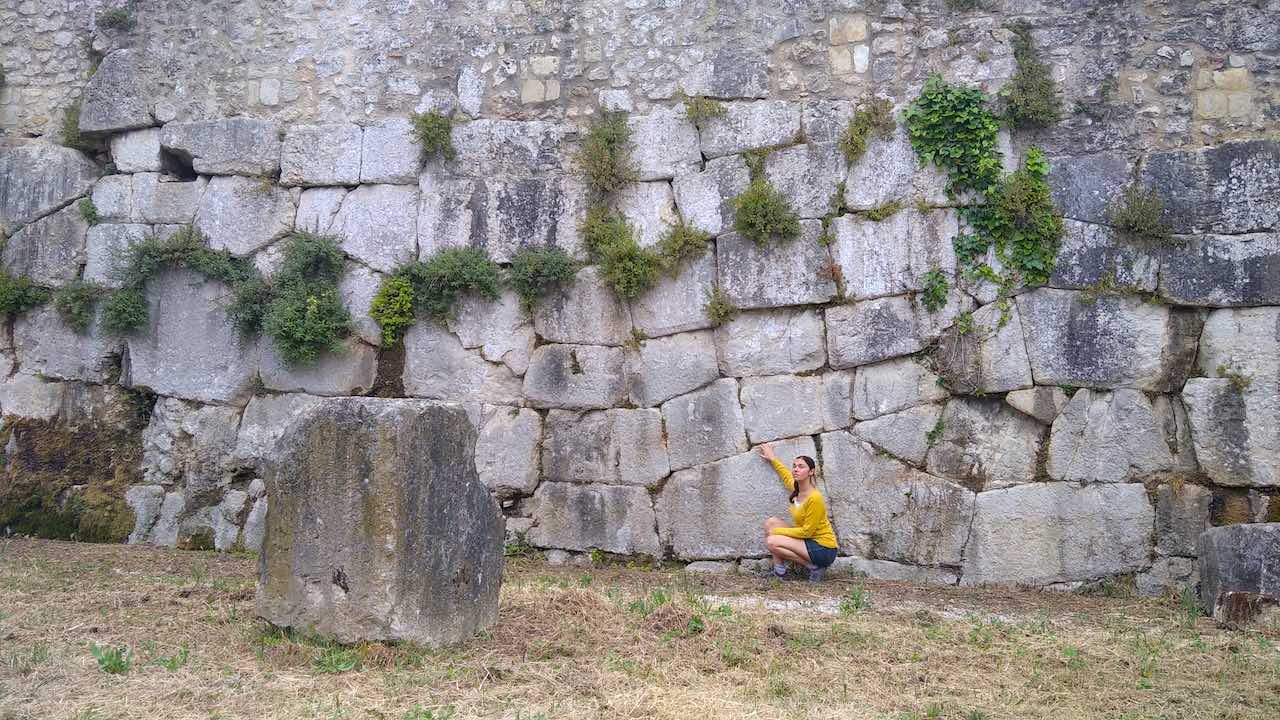
Impossible not to notice the mighty blocks that form what in ancient times were the city walls. Walls like that you will not find in Rome, in fact, they are not of Roman work. It is narrated that the authors of the massive polygonal dry-walls in Amelia and in other few towns of Italy and of the Mediterranean (Malta, Greece) are the mythical people of the Pelasgians.
You can admire the walls starting from Porta Romana and walking along the external perimeter of the city.
THE ROMAN CISTERN
The present Matteotti Square was at the time of the Romans the Forum of Amelia. Of the ancient paving of the forum survive two slabs, reused on the steps of a staircase at the corner between Via degli Archi and Via Geraldini. On one of these steps, it is still possible to notice a groove in the shape of a letter V: the hollow was anciently filled with bronze, a technique that allowed the most prestigious inscriptions to be noticed, read, and remembered by the dozens of people who daily frequented the forum.
Under the forum was built a large cistern divided into 10 parallel rooms with a barrel vault and a height of about 6m. From the engravings on the bricks, we can date the construction of the cistern between the beginning and the first half of the first century BC.
ARCHAEOLOGICAL MUSEUM OF AMELIA
The Archaeological Museum and Art Gallery of Amelia are housed in the elegant building of the ex-college Boccarini. The finds and works of art range from antiquity to the High Middle Ages. You can also see a video where the ancient city is reconstructed.
RENAISSANCE PALACES
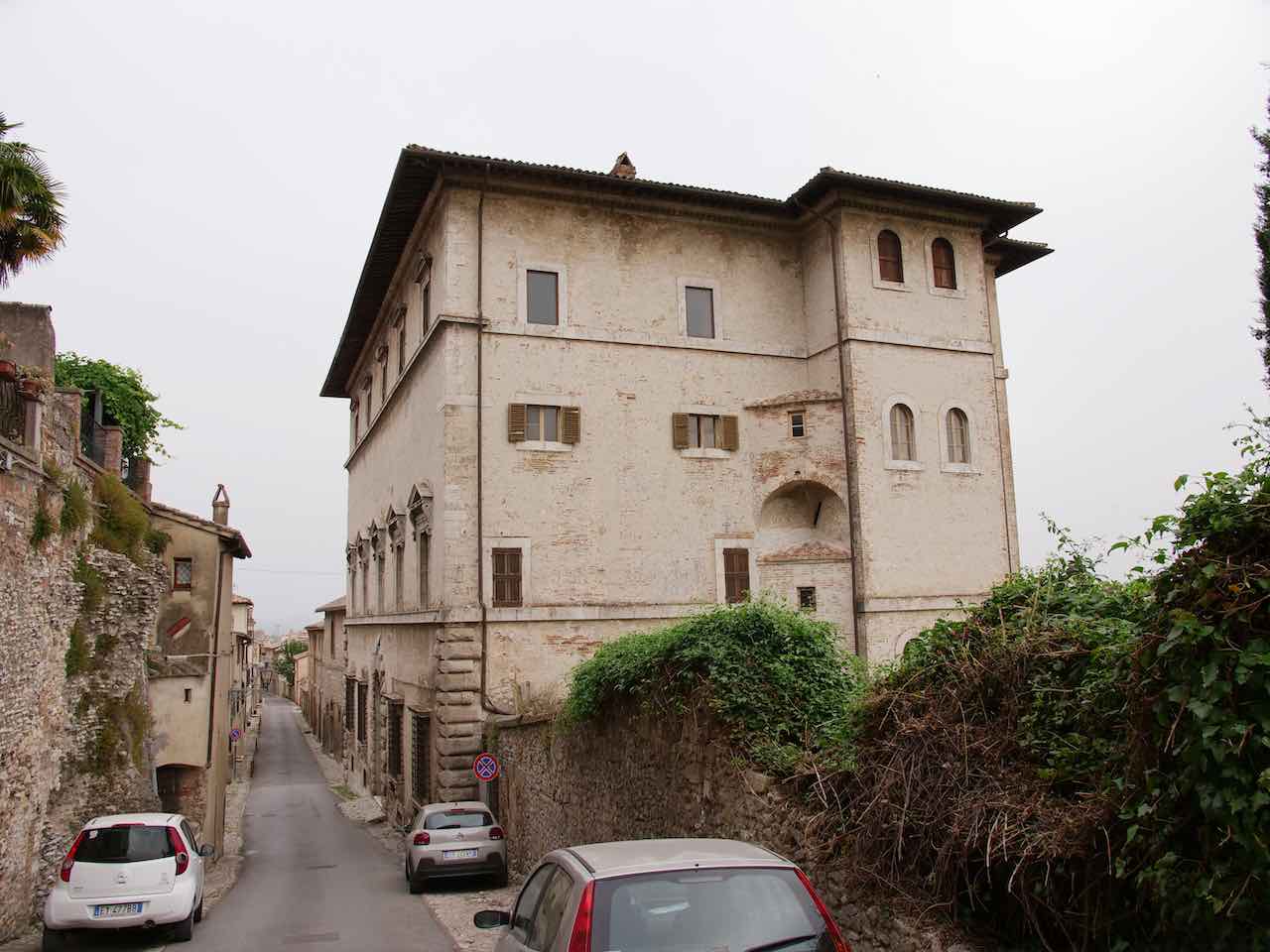
Walking through the streets of the historical center you will come across imposing noble palaces of the Renaissance period that coexist with the Roman and medieval substrate of the village.
Palazzo Farrattini was commissioned in the first half of the 16th century by Monsignor Bartolomeo Farrattini, high prelate of the Roman Curia and close to Pope Julius II. The architect is the famous Young Antonio da Sangallo, who built several military fortresses in central Italy but also the Farnese Palace in Rome.
Inside, the original flooring of the entrance hall and the atrium overlooking the garden, the staircase leading to the main floor and several rooms that still retain period furnishings are of considerable interest. The most remarkable environment, however, is the so-called Hall of Sangallo, decorated probably at the behest of Cardinal Bartholomew III Farrattini with a frescoed frieze with allegorical subjects, figures of Roman commanders and biblical episodes, datable between 1570 and 1580 and reported to the painter Livio Agresti (Forlì 1505 – Rome 1579) and aids, including probably some of his students from Amelia.
In front of the facade of the Farrattini Palace, lies what remains of the thermal baths of the Roman age.
PETRIGNANI PALACE
The building, the noble residence of the Petrignani family, was enlarged and completely restored at the end of the ’80s of the sixteenth century on the project of the pontifical architect Ottaviano Mascarino. The architecture of the building was completed in 1592. The vaults of the rooms, covered with a rich pictorial decoration distributed in eight rooms, were executed in at least two phases, between the last decade of the sixteenth century and the first of the seventeenth century. The internal rooms can be distinguished as follows: The chapel and the ante-chapel, The Hall of the Zodiac, The Hall of Constantine and Maxentius, The Hall of Albornoz, The Hall of Heraclius, The Hall of the Somaschi, The Hall of Strigonia.
The frescoes are to be attributed to a team of local painters.
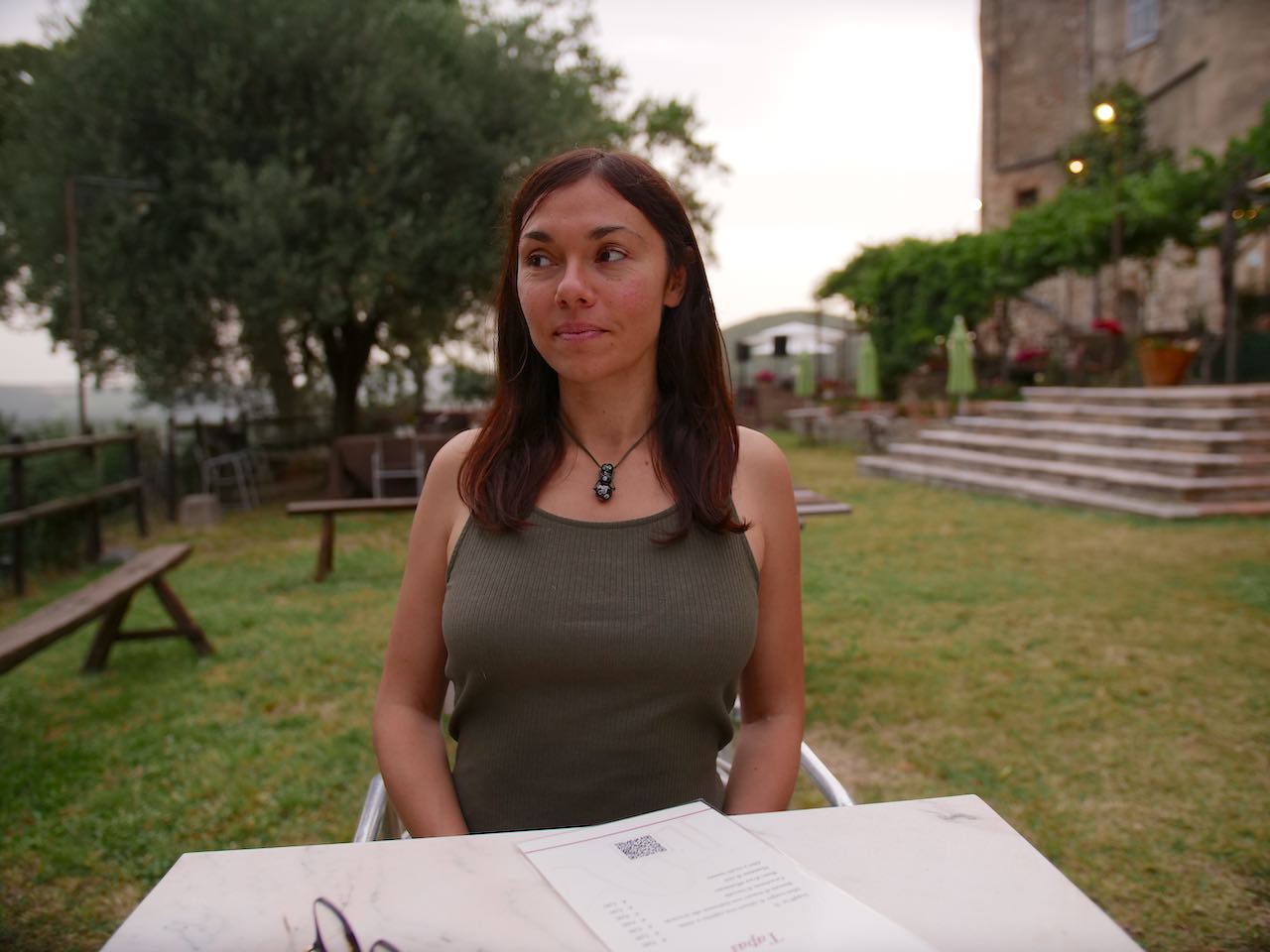
RESTAURANTS IN AMELIA ITALY
Amelia will welcome you properly if you love good food. Make sure to sit at least in these restaurants:
Il ConVitto
A store of typical products but also a bistro with vaulted ceilings, wooden tables and a charming terrace where you can also taste the cheeses made by the owners.
Start with an appetizer of cheeses, cured meats, bruschetta, focaccia, and then move on to homemade pasta or gnocchi. Popular and tasty are the “crostoni“, large slices of grilled bread covered with scamorza cheese and baked vegetables. For dessert, choose the home’s ricotta cheese dessert.
Address: Via Della Repubblica, 34.
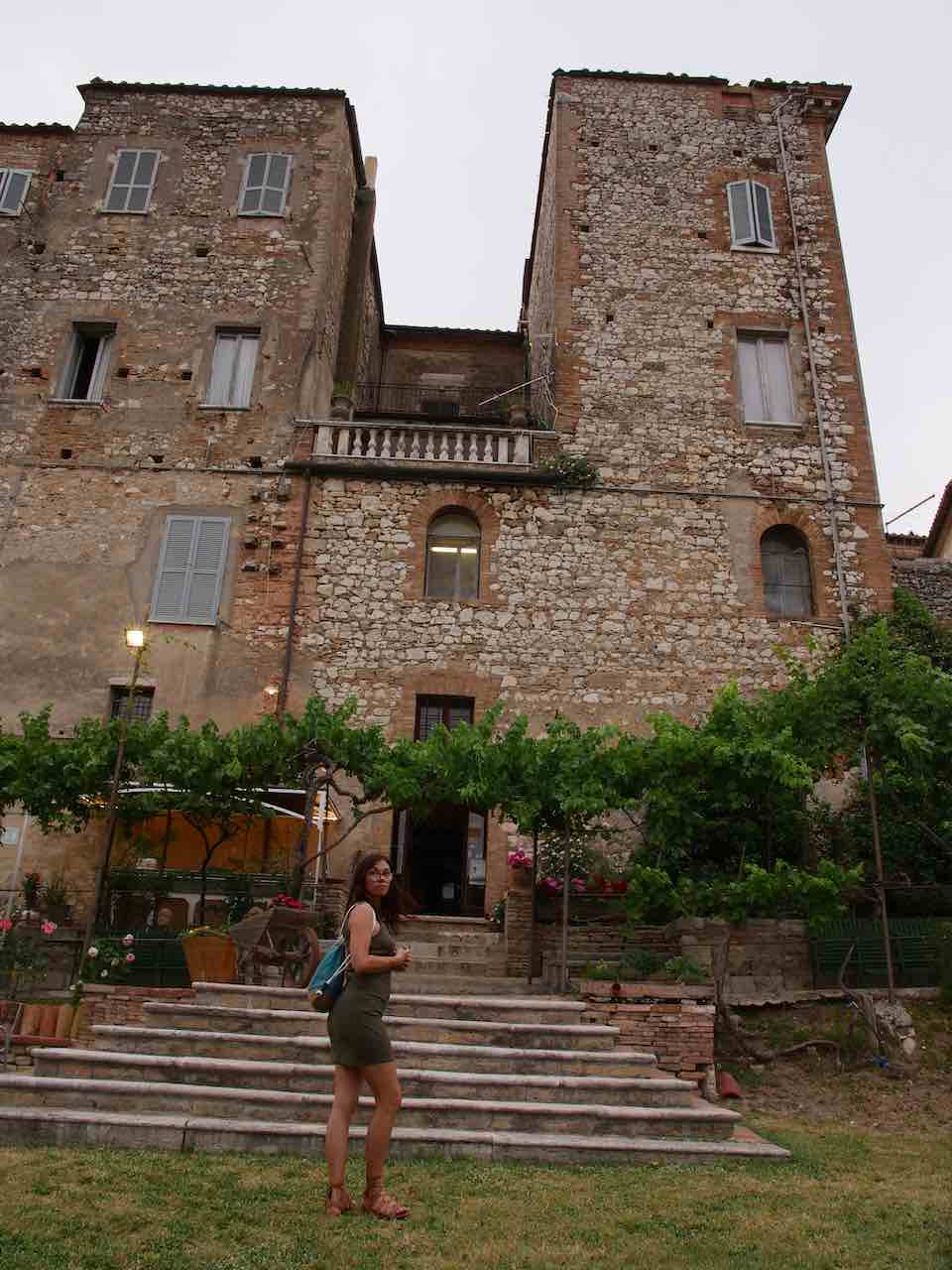
Il Baronetto
The restaurant is located in a mansion surrounded by a lovely garden and a terrace from which you can enjoy a breathtaking view of the surrounding countryside. You can choose to have just an aperitif with some tastings which are however exquisite or a complete meal accompanied by excellent wines. Here everything is top-quality, including the table service!
Address: Via Farrattini, 56
WHERE TO STAY IN AMELIA
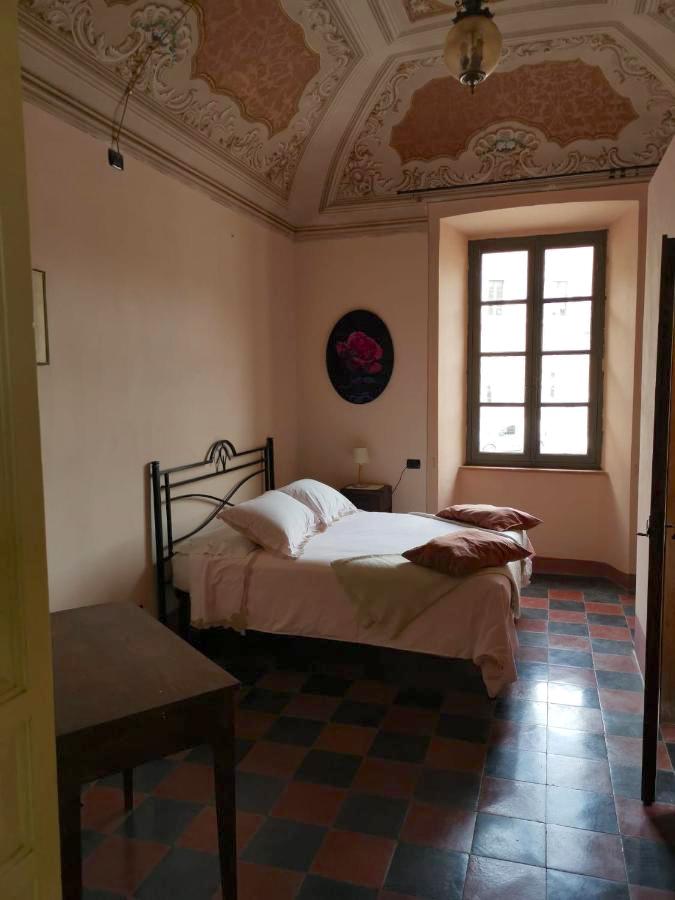
To fully absorb the atmosphere of the center and to be close to all points of historical interest, consider renting an apartment at Villa Regina or at B&B 44-Mu Nì.
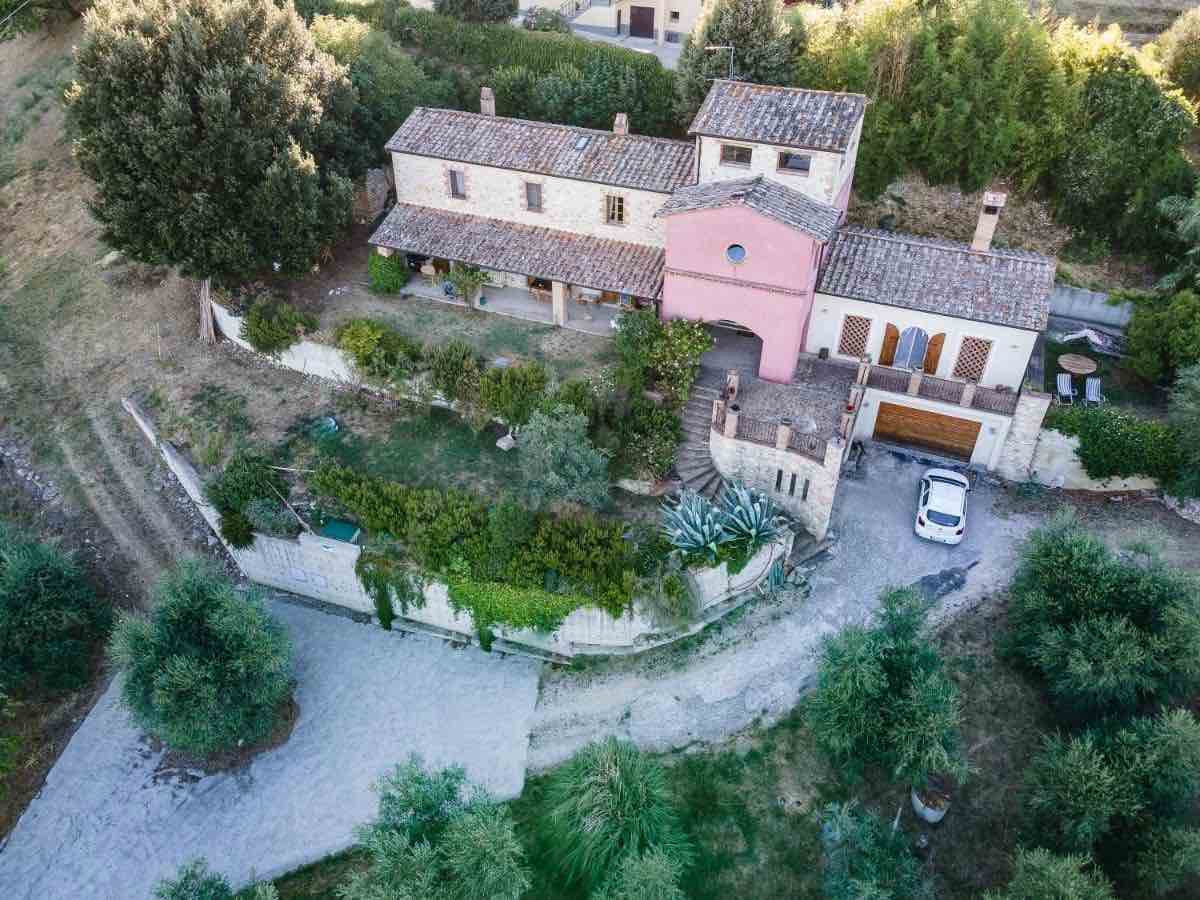
If you prefer to be surrounded by the countryside and drive just a few kilometers into town, check out the B&B La Dimora di Orfeo.
Want more inspiration on unique towns to visit beyond Amelia, Italy? Jump to my other guides:
14 Quaint Towns near Rome you Need to Add to Your Trip Schedule
A day in Trevignano Romano: what to see, eat, and do in this romantic lake town
10 Rewarding things to do in Nepi, Italy
The Most Fascinating Abandoned Town in Italy: Antica Monterano
5 Amazing Castles to Visit near Rome
5 Fascinating medieval towns in Italy that will make you crave a house there
A local’s guide to the 10 most beautiful lakes near Rome, Italy
Calcata Italy: a local’s guide. Things to do, see and eat in the artists’ village near Rome